The Quiet Rhythm of Kyoto’s Hidden Timber Shrines
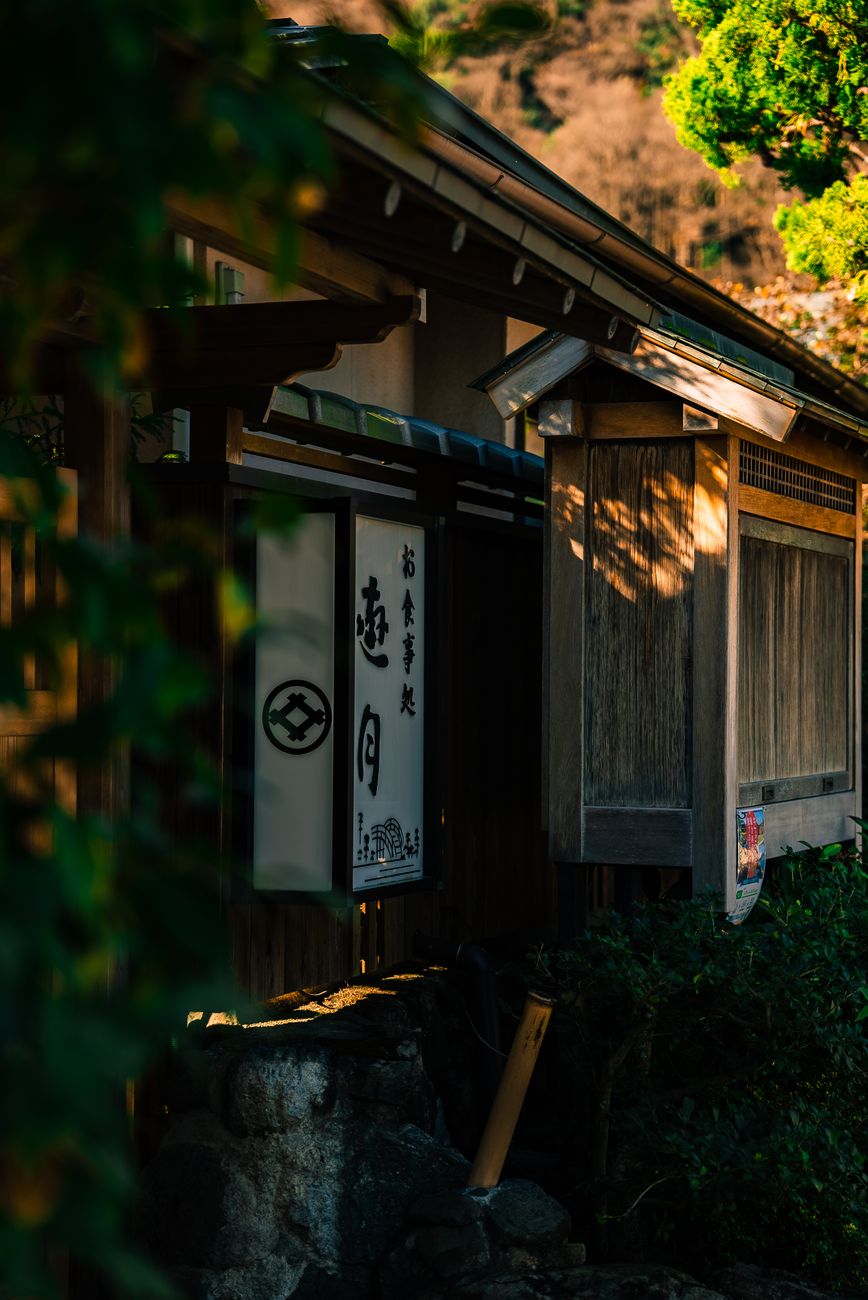
"To step past the cedar boundary stone is not to leave the world, but to rediscover how to look at it without the burden of haste."
As early dawn breaks over the mountain ridges of Kita-ku, the dense morning dew adheres to ancient cedar shingles. Long before tour buses rumble toward the Golden Pavilion, the northern hills of Kyoto experience an almost sacred quietude. Here, away from the tourist corridors, centuries-old shrines are kept by families whose lineage of custodial devotion extends backward twelve generations.
Architecture Rooted in Mortise and Tenon
Japanese shrine joinery relies on no nails or metal fasteners. The flexible timber joints, known as kigumi, breathe with seasonal humidity changes and shift naturally during seismic tremors. Each cypress pillar is selected to mirror its original orientation on the mountainside: trees cut from southern sunlit ridges are installed facing south in the compound.
Standing beneath the eaves of a modest mountain shrine, one hears the gentle drop of condensation onto raked gravel. It is an architecture designed not to overpower nature, but to act as a frame through which maple leaves and drifting fog become living art.
Editorial Field Notes
Visiting northern Kyoto shrines requires respectful decorum. Photography is frequently prohibited within sacred inner pavilions; silent footsteps and removed shoes are customary.
Recommended Base: Kita-ku Ryokan SanctuariesThe Discipline of Stillness
In our modern metropolitan existence, sensory inputs arrive incessantly. In Kyoto's quiet groves, stillness is not an absence of sound, but an amplification of subtle wonders: the scrape of a bamboo broom on moss, the resonance of a distant bronze bell, and the aroma of Hinoki wood in damp morning air.